
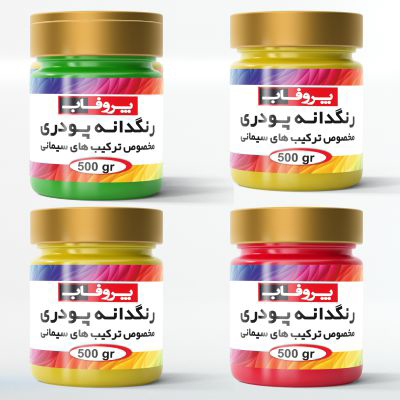
Cement Colors Pigment – PIG500
Pigment for Coloring Concrete and Cement Mortars
Cement color pigments are used to color concrete and cement mortars. When coloring concrete or mortar, the pigment does not color the sandy and stony particles in the concrete, but rather the cement absorbs the pigment’s color. In this process, the cement is colored by the cement pigment, creating a colored layer around the sand particles, thus giving them a colored appearance. Since cement absorbs the color, the higher the amount of cement in the formulation, the more intense and aesthetically pleasing the final color will be, resulting in a more vibrant shade of concrete.
Cement pigments come in a wide range of colors. The amount of pigment required to create colored cement depends on the cement content, and the method of mixing may vary. In general, if you want to achieve colored concrete with the desired strength, you must be aware of the proper percentage of pigment and add it to the concrete mix correctly.
Cement pigments, also known as cement colorants, consist of materials added to cement to give it color. These pigments are used to create aesthetic variety in cement-based materials such as concrete, mortar, and plaster. Using this product enhances the beauty and attractiveness of cement products, making them stand out visually.
Mechanism of Cement Pigment Action To achieve uniform color in concrete mixes made at different times in large projects, all factors influencing the concrete color must remain constant. Identifying these factors is essential for controlling the production of colored concrete and achieving the desired color. These factors include the color and amount of cement in the mix, the aggregates, the amount of water in the concrete, the mixing process, and the molds used. One of the most important factors in the color of concrete is the color of the cement used. For the best results in producing colored concrete, especially in lighter and medium shades, it is recommended to use white cement. The aggregates, particularly fine aggregates, significantly affect the final color of the concrete. To maintain uniform color throughout the mix, all materials should be carefully controlled by weight, and the dry cement should be mixed with the pigment before being added to the mix to prevent uneven color streaks. Additionally, to achieve uniform results, the mixing time should be longer than usual.
Properties and Effects of Cement Pigment
- Colors the cement used
Applications of Cement Pigment
- Coloring ready-mix cement mortars
- Coloring paving stones (precast concrete)
- Coloring walls
How to Use Cement Pigment The pigment should be gradually added to the dry materials. To test the color, mix a small portion with water and assess the result. If necessary, add more cement pigment. The color absorption in mortars made with white cement is far better than that in those made with gray cement.
Consumption of Cement Pigment The amount of pigment used depends on the type of cement and the amount of cement being used.
Safety of Cement Pigment
- In case of eye contact, rinse with clean water for at least 15 minutes.
- In case of skin contact, wash immediately.
Storage of Cement Pigment
- Protect the pigment from cold, freezing temperatures, excessive heat, and prolonged direct sunlight.
- Ideal storage temperature: 10°C to 30°C.
Packaging of Cement Pigment
- 500g cans

Reviews
There are no reviews yet.