
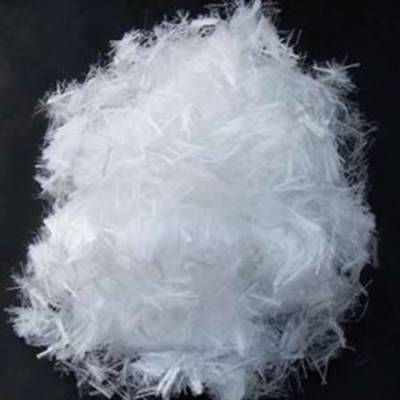
Polypropylene Concrete Fiber
PP12
Reinforcement Alternative to Rebar for Concrete
Increases Concrete Hardness and Mechanical Strength
What is Polypropylene Concrete Fiber?
Polypropylene fibers are widely used for reinforcing and strengthening concrete, cement, and plaster mixtures. The use of these fibers increases the bending, tensile, shear, and abrasion resistance of concrete. Adding these fibers improves the cohesion of the concrete mix. When combined with concrete, polypropylene fibers not only prevent settling and increase the weight of the concrete, but they also neutralize the alkaline environment of the concrete. These fibers are produced in three lengths: 6 mm, 12 mm, and 18 mm for concrete use, and a 6 mm length for plaster and thin mixtures. Polypropylene fibers are extensively used in the production of thin concrete walls where common reinforcing rebar cannot be used, as they strengthen these concrete sections. Polypropylene fibers alone have low resistance to oxygen, fire, and sunlight, but when embedded in mortar or concrete, they form a protective layer that minimizes sensitivity to fire and other environmental effects. Additionally, the use of polypropylene fibers improves the workability and longevity of concrete.
Overall, these fibers are made from polypropylene polymer, which is a thermoplastic fiber. These fibers have several key properties such as resistance to chemicals, water and moisture, corrosion, light weight, and resistance to cracking.
Mechanism of Action of Polypropylene Concrete Fiber
What is the mechanism of action of polypropylene concrete fibers?
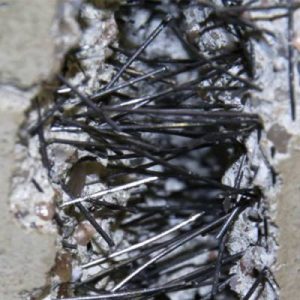
Adding fibers to the concrete mix increases the physical, chemical, and frictional bonding properties of the concrete. In fact, polypropylene fibers inside the concrete matrix act as a reinforcement or “reinforcing agent” to prevent cracking and separation, and they bridge potential cracks.
Properties and Effects of Polypropylene Concrete Fibers
What are the properties and effects of polypropylene concrete fibers?
- Prevents cracking caused by concrete shrinkage
- Relatively high melting point
- Increases alkaline resistance
- Increases concrete’s modulus of elasticity
- Improves mechanical properties of concrete
- Suitable alternative for thermal rebar
- Enhances cohesion and adhesion properties of concrete
- Increases energy absorption capacity in bending and tension
- Improves concrete’s resistance to impact
- Reduces plastic shrinkage and hardened concrete cracking
- Increases concrete’s workability
- Enhances stability and longevity of concrete
- Reduces cracking due to moisture and temperature changes
Applications of Polypropylene Concrete Fibers
What are the applications of polypropylene concrete fibers?
- Fire-resistant concrete production
- Suitable for producing concrete with high impact and abrasion resistance
- Ideal for manufacturing cement sheets
- Enables reinforced concrete production without the need for rebar
- Suitable for producing thin reinforced concrete without rebar
- Usable in shotcrete mixtures
- Ideal for producing flexible concrete
- Suitable for use in ready-mix concrete and prefabricated components
Physical and Chemical Properties of Polypropylene Concrete Fiber
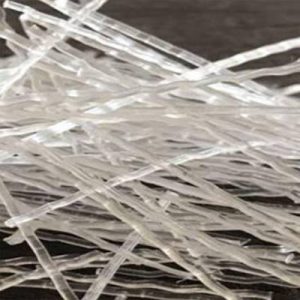
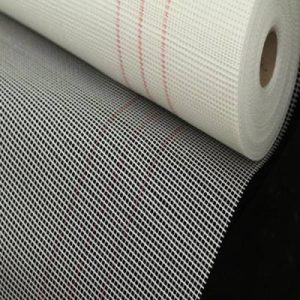
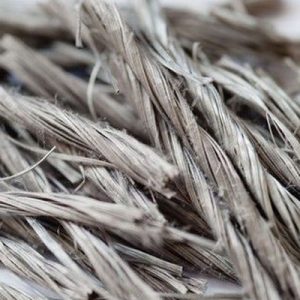
Form: Twisted fibers and network threads
Color: White
Specific Weight: 0.91 g/cm³
Melting Range: 165°C
Elongation Percentage: 80%
Water Immersion: 3 to 5 seconds
Tensile Strength: 400 MPa
Consumption of Polypropylene Concrete Fiber
How much polypropylene fiber should be used?
The amount of polypropylene fiber used can vary depending on the structural element. The average consumption is between 1 to 3 kg per cubic meter, depending on the desired performance. For example, the typical consumption in slabs is around 1 kg per cubic meter.
Application Method for Polypropylene Concrete Fiber
How to use polypropylene concrete fiber?
Typically, polypropylene fibers are first mixed with aggregates and then water is added.
Polypropylene fibers can be added to the concrete mix at any stage of pouring.
The fibers can also be mixed with water first, and then this mixture can be added to the dry mortar. In this case, to achieve a homogeneous mix, it is necessary to stir for about 3 to 4 minutes.
Polypropylene fibers can be gradually added to the mixer, and mixing should continue at high speed until it is ensured that the fibers are completely distributed throughout the concrete.
Note: Polypropylene fibers typically reduce slump. This reduction is particularly noticeable when the fiber content is high or the fiber length is long, which may reduce the workability of the concrete. Therefore, it is recommended to use a superplasticizer with the fibers to improve the mix and enhance workability.
Safety of Polypropylene Concrete Fiber
What are the safety considerations for using polypropylene concrete fiber?
Polypropylene concrete fibers are not toxic or hazardous, but due to the slow biodegradability of synthetic polymer materials, they can pose environmental issues if left in nature.
- This material is flammable.
- If swallowed, seek medical attention immediately.
- Wear appropriate gloves when handling the fibers.
Storage Conditions for Polypropylene Concrete Fiber
What are the storage conditions for polypropylene concrete fibers?
Duration: 2 years in the original packaging
Conditions: Store away from moisture and direct sunlight
Storage Temperature: Between +10°C and +30°C
Packaging of Polypropylene Concrete Fiber
Packaging: 20 kg bags
Reviews
There are no reviews yet.