
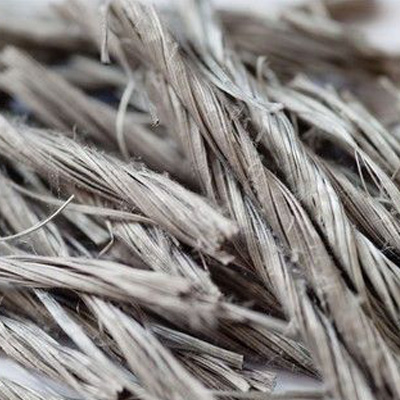
Synthetic Concrete Fiber
FIBERK50
Reinforcement Alternative to Rebar for Concrete
Increases Concrete Hardness and Mechanical Strength
What is Synthetic Concrete Fiber?
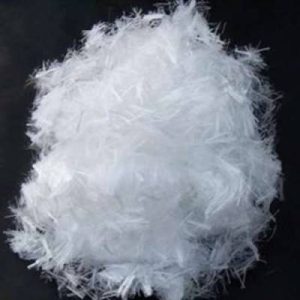
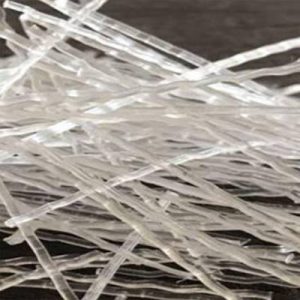
Synthetic Concrete Fiber refers to the use of various fibers as an alternative to rebar in reinforced concrete, a practice that has been widely adopted in European and advanced countries for years. In Iran, it is now gaining popularity and being used in concrete structures. The fibers used in concrete are manufactured in different types and shapes. Currently, one of the highest quality fibers used in concrete is synthetic fiber, which is made from artificial materials and possesses polymeric properties. Synthetic fibers are produced through a process called polymerization, in which monomers are linked together to form polymers. Synthetic fibers are among the best and strongest fibers available for mixing with concrete, and they provide special properties to the concrete once mixed. Compared to similar fibers, synthetic fibers have higher tensile strength, with a tensile strength of 650 MPa, which is twice that of rebar. Additionally, these fibers exhibit high durability against degradation.
In general, synthetic concrete fibers refer to fibers that are not naturally occurring. Due to their features, such as resistance to water, corrosion, UV radiation, chemicals, and their suitable mechanical properties, they are used in various industries.
Mechanism of Action of Synthetic Concrete Fiber
How does Synthetic Concrete Fiber impact concrete performance?
Synthetic fibers are produced as woven strands and have highly desirable properties for use in concrete and concrete products to prevent cracking. Synthetic fibers are considered the best alternative to mesh and rebar in concrete. It is important to note that each kilogram of synthetic fibers contains 220,000 intertwined fiber strands. The tensile strength of synthetic fibers is approximately 650 MPa, which is twice that of rebar. These fibers are mixed directly into the concrete, making them the most suitable substitute for rebar in concrete.
Properties and Effects of Synthetic Concrete Fiber
What properties does Synthetic Concrete Fiber provide to concrete?
- Best alternative to mesh and reinforcement in concrete
- Provides multidimensional reinforcement in concrete
- Has tensile strength approximately twice that of rebar
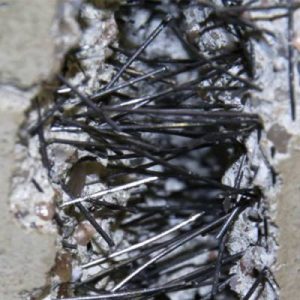
- Prevents crack propagation in concrete
- High durability against degradation
- High resistance to UV radiation
- Strong mechanical bond with concrete
- Increases strength and durability of concrete
- Suitable resistance to fatigue and thermal stresses
- Capable of bearing loads after potential cracks have formed
- Prevents the expansion of plastic cracks
- High wear and tear resistance
- Speeds up the construction process and offers cost efficiency
- High resistance to acids and alkalis
Applications of Synthetic Concrete Fiber
Where can Synthetic Concrete Fiber be used?
- Suitable for industrial flooring
- Enables concrete pouring for steel deck roofs
- Compatible for producing precast concrete parts
- Ideal for shotcrete applications
- Suitable for mixing with all concrete combinations
- Used in warehouse and garage flooring
- Compatible for roller compacted concrete (RCC)
- Suitable for parking lot floor production
- Ideal for producing sewage pipes
- Useful for producing precast tunnel components
Consumption of Synthetic Concrete Fiber
How much Synthetic Concrete Fiber should be used?
The amount of synthetic fiber used varies depending on the type of structural element. However, the typical usage amount for synthetic fibers, based on the intended purpose, ranges from 1 to 2 kg per cubic meter of concrete.
Application Method for Synthetic Concrete Fiber
How should Synthetic Concrete Fiber be applied?
Synthetic fibers can be added to the concrete mix at any stage. Typically, the fibers are mixed with the aggregate first, and then water is added. Alternatively, synthetic fibers can be mixed with the mixing water and then added to the dry mix. In this case, to achieve a uniform and consistent mixture, continue mixing for 3 to 4 minutes. Synthetic fibers can also be gradually added to the mixer and mixed at a high speed to ensure complete distribution throughout the concrete.
Storage Conditions for Synthetic Concrete Fiber
What are the proper storage conditions for Synthetic Concrete Fiber?
- Shelf Life: 2 years in its original packaging
- Storage Conditions: Keep away from direct sunlight and moisture
- Optimal Storage Temperature: Between +10°C to +30°C
Packaging of Synthetic Concrete Fiber
What is the common packaging for Synthetic Concrete Fiber?
- Packaging: 20 kg bags
Reviews
There are no reviews yet.